If you’ve ever hit a wall in ranked mode — losing streak after losing streak with no idea what you’re doing wrong — trust me, I’ve been there. Last year I spent three months stuck in the same tier, convinced my teammates were the problem. Spoiler: they weren’t.
That’s exactly why I put together this Gamer Challenger Guide 2026. Whether you’re grinding ranked in a competitive shooter, climbing the ladder in an RTS, or trying to pull off clutch plays in a battle royale, the fundamentals don’t lie. In this guide, I’m going to walk you through the pro tips, essential skills, and winning strategies that actually make a difference — no fluff, no filler. Let’s get into it.
Why the Gamer Challenger Guide 2026 Is Different
Every year, the competitive gaming scene shifts. New metas emerge, patches shake up the balance, and the skill ceiling keeps rising. What worked in 2024 might actually hold you back now.
This guide is built around what’s working right now — in 2026. I’ve pulled from pro player interviews, coaching sessions, and my own ranked experience to give you a roadmap that’s actually current. We’re not recycling old advice here.
Essential Skills Every Competitive Gamer Needs
1. Game Sense Over Raw Mechanics
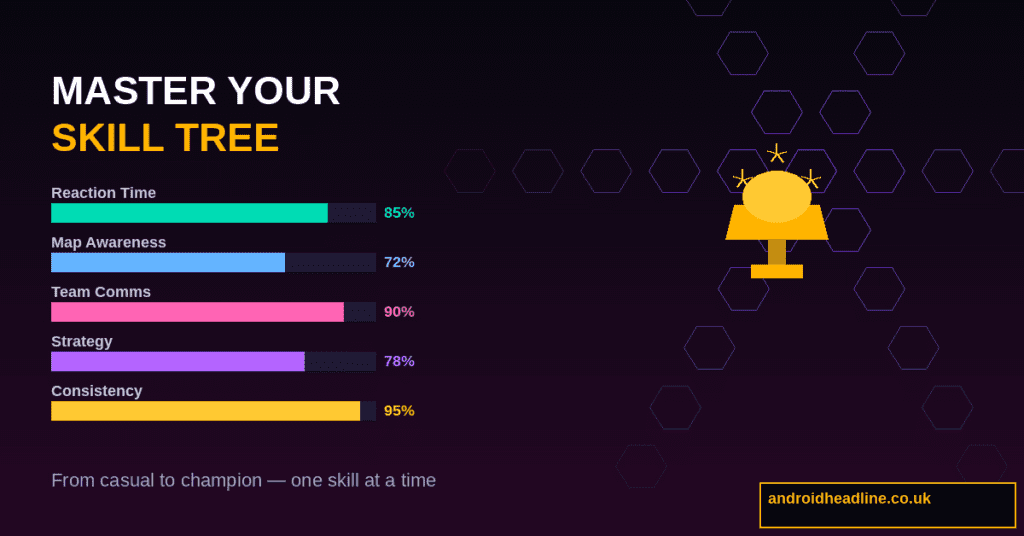
Here’s something most people get wrong: they spend hours grinding aim trainers or mechanical combos, but completely ignore game sense. Game sense is your ability to predict what’s going to happen before it does — where enemies will rotate, when to push, and when to fall back.
The fastest way to build game sense? Watch your own replays. Not to cringe at your mistakes (though that happens), but to ask yourself: “What information did I have, and what should I have done with it?” That shift in thinking alone moved me up two full ranks.
2. Consistent Warm-Up Routine
Pro players don’t just hop into ranked cold. They warm up — every single time. Here’s a simple 15-minute warm-up routine you can use:
- 5 minutes — aim training or mechanical drills specific to your game
- 5 minutes — one low-stakes match or practice mode
- 5 minutes — review your mental state; if you’re tilted or tired, don’t queue ranked
That last step sounds obvious, but almost nobody does it. Emotional regulation is a real skill in competitive gaming.
3. Communication & Team Synergy
Solo queue is brutal. But you’d be amazed how much difference clear, calm callouts make. Don’t type essays — keep comms short. “Three mid,” “rotating right,” “save your ult” — that’s it. Aggressive or toxic communication tanks your team’s performance every time.
Pro Tips That Actually Move the Needle
Play Fewer Games, Review More
I used to grind 8–10 ranked matches a day. Then I cut it to 4–5 and spent equal time reviewing. My win rate jumped by almost 12% within a month. Less mindless repetition, more intentional practice — that’s the real secret.
Master One Role or Character First
It’s tempting to switch mains whenever there’s a new patch or a shiny new character. Don’t. Depth beats breadth in competitive play. Pick one role, learn it deeply, and only expand once you feel genuinely comfortable. The pros call this “role mastery” and it’s non-negotiable at high-level play.
According to a 2025 analysis by Esports Charts, the top-ranked players in most major titles maintain a character or role pool of just 2–3 options at peak performance — not 10.
Manage Your Session Length
Mental fatigue is real. After about 90 minutes of intense focus, decision-making quality drops noticeably. Schedule breaks. A 10-minute break every 90 minutes keeps your reads sharper and your mechanics cleaner. I use a simple timer on my phone — low-tech, but it works.
Winning Strategies for Ranked Play in 2026
Read the Meta — But Don’t Worship It
The meta is a guide, not a bible. Yes, you should know what’s strong in the current patch. But if you don’t enjoy playing the “best” character or strategy, your performance will suffer anyway. Find what’s both strong and enjoyable for you, and focus there.
Use Economy & Resource Management
Whether it’s gold in a MOBA, bullets in a shooter, or ability cooldowns in a hero game — managing your resources efficiently separates mid-level players from high-level ones. Don’t spend everything the moment you get it. Think one or two moves ahead.
Develop a Pre-Match Ritual
This sounds almost too simple, but it’s wildly effective. Before queuing, do the same 2–3 things every time: check the patch notes, set your in-game goals for the session (not “win,” but something controllable like “hit 80% headshot accuracy” or “make zero greedy rotations”), and take three slow breaths. It sounds like sports psychology — because it is. And it works.
Know When to Derank to Relearn
This one hurts, but sometimes dropping down a tier intentionally helps you rebuild fundamentals without the pressure of high-stakes games. Several pro players have done this publicly. It’s not a failure — it’s a strategy.
A Personal Take: The Mental Game Is 50% of It
Okay, real talk. The moment my gaming genuinely improved wasn’t when I upgraded my setup or found a new sensitivity. It was when I stopped playing angry.
I remember one particular night — three losses in a row, all close matches, and I was fuming. I queued again immediately and went on to lose four more. The next morning, fresh, I won five straight. Same player. Same skills. Completely different mental state.
If you take nothing else from this guide, take this: your mindset on any given session matters as much as your mechanics. Tilt is the hidden rank-down button that nobody talks about enough.
Quick Reference Checklist: Your Challenger Gameplan
Establish a daily warm-up routine (15 minutes minimum)
Focus on 1–2 roles or characters max
Review replays after every session
Limit sessions to 90-minute blocks with breaks
Track one specific skill metric per week
Check patch notes before each session
Set process goals, not outcome goals
Conclusion
Climbing the competitive ladder in 2026 isn’t about having the flashiest setup or the highest raw skill ceiling. It’s about being consistent, intentional, and honest with yourself about where you’re actually falling short.
The Gamer Challenger Guide 2026 is your starting point — not a magic fix. Use these pro tips and strategies as a framework, adapt them to your specific game, and put in the focused reps. The results will follow.
FAQs
Q: How long does it take to climb a full tier using these strategies?
A: Most players who apply focused, intentional practice see meaningful rank improvement within 2–4 weeks. It depends on your starting point and how consistently you apply the fundamentals.
Q: Do these tips apply to mobile gaming as well?
A: Yes! While some specifics vary by platform, the core principles — game sense, mental management, role focus, and replay review — apply across PC, console, and mobile competitive titles.
Q: Is aim training necessary for every type of game?
A: Not always. For shooters, yes — it’s highly valuable. For strategy games or MOBAs, game sense and decision-making drills are more impactful than aim-specific training.