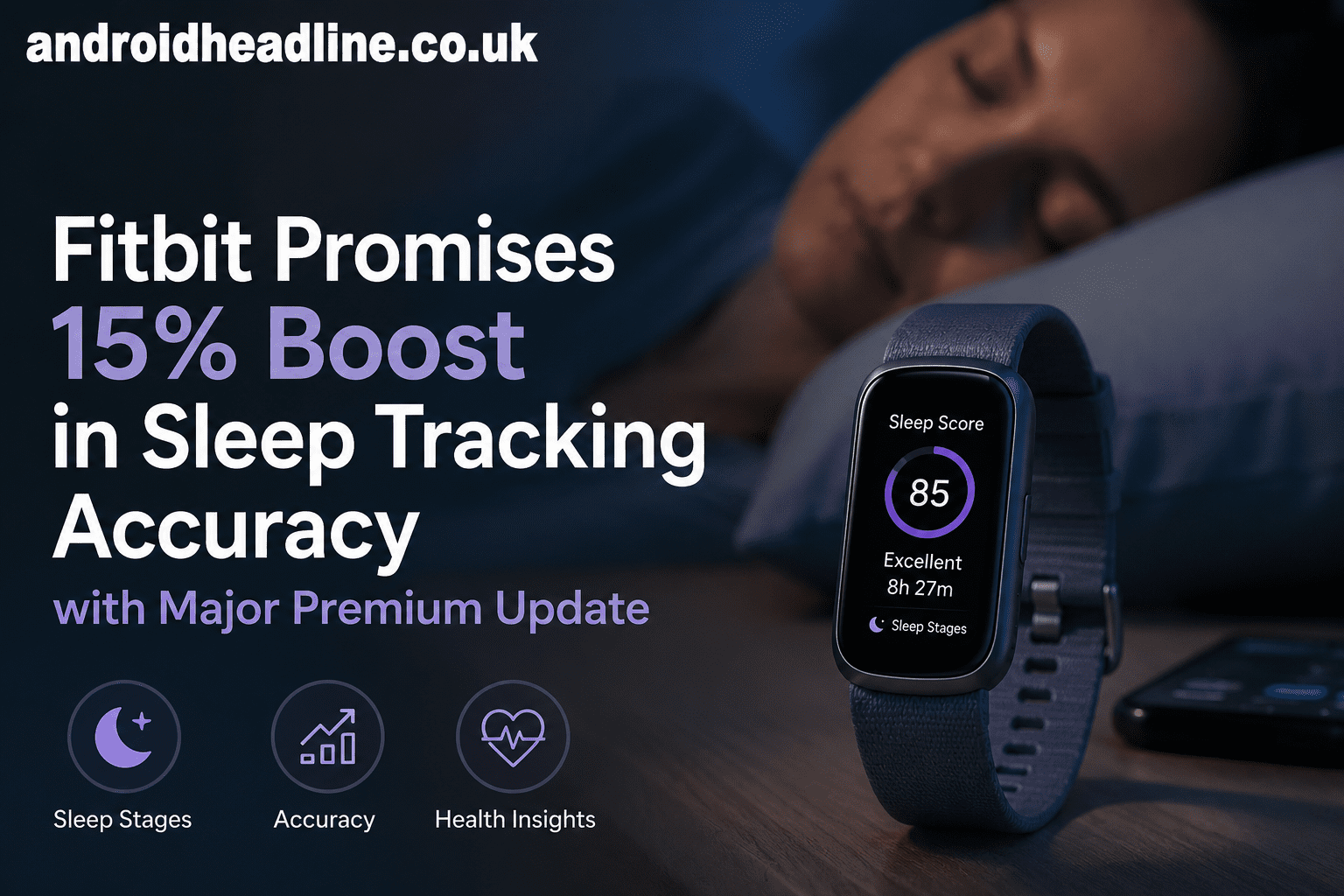
Fitbit is preparing to improve one of its most popular health features—sleep tracking. According to recent updates, the company is rolling out significant algorithm improvements that could increase sleep tracking accuracy by up to 15%, but there’s a catch: the best improvements are aimed at Fitbit Premium subscribers.
This move signals Fitbit’s continued push toward subscription-based health insights, where advanced analytics and deeper personalization sit behind a paywall.
What’s Changing in Fitbit Sleep Tracking?
Sleep tracking has always been one of Fitbit’s strongest selling points, but it has also faced criticism for occasional inaccuracies in sleep stage detection and inconsistent data interpretation.
With the new update, Fitbit is focusing on:
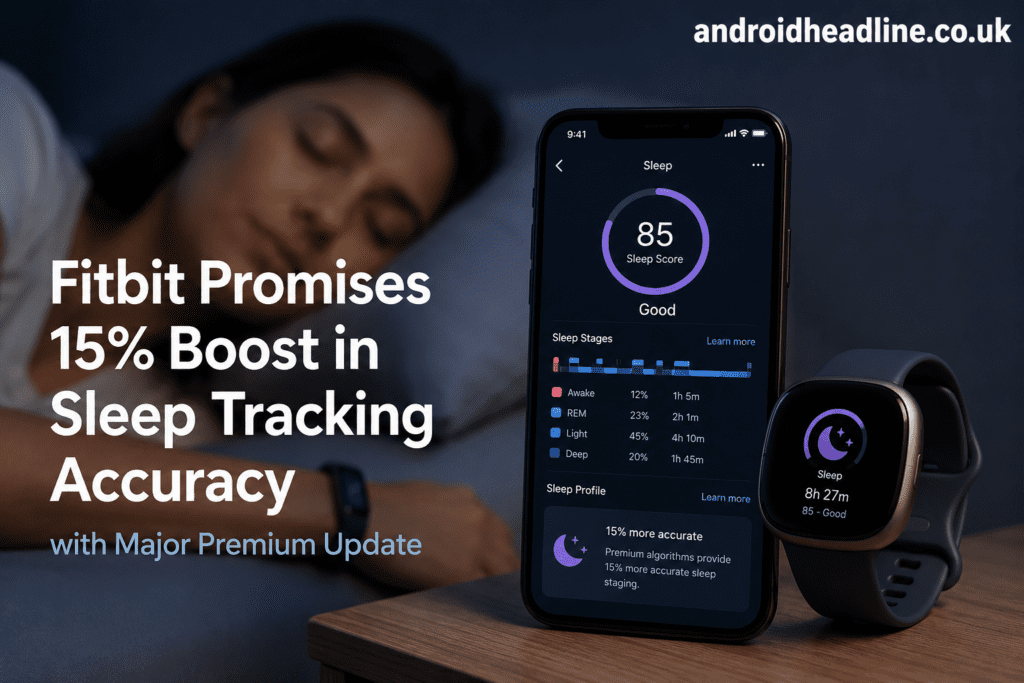
- Improved sleep stage detection (light, deep, REM sleep)
- More accurate sleep onset and wake detection
- Better heart rate variability (HRV) integration during sleep
- Enhanced machine learning models trained on larger datasets
According to Fitbit, these updates collectively deliver up to a 15% improvement in sleep tracking accuracy, making the data more reliable for users trying to optimize their health and recovery.
Premium Users Get the Biggest Benefits
While all Fitbit users may see some improvements, Fitbit Premium subscribers are expected to receive the full advantage of the new system.
Premium features may include:
- More detailed sleep breakdown reports
- Personalized sleep coaching recommendations
- Deeper insights into long-term sleep trends
- Recovery and readiness scores tied to sleep quality
This aligns with Google’s broader strategy since acquiring Fitbit—expanding the value of the Premium ecosystem while keeping basic tracking accessible to free users.
Why Sleep Tracking Matters More Than Ever
Sleep data has become a core part of modern health tracking. From athletes to everyday users, understanding sleep quality is now seen as essential for:
- Physical recovery
- Mental performance
- Stress management
- Long-term health monitoring
With increasing competition from Apple, Samsung, and WHOOP, Fitbit is under pressure to keep its sleep tracking both accurate and insightful.
Competition in the Wearable Market
The update also positions Fitbit more aggressively against competitors:
- Apple Watch focuses on integrated health metrics but still lacks deep sleep staging compared to Fitbit
- WHOOP offers advanced recovery analytics but requires a subscription
- Samsung Galaxy Watch provides sleep tracking but varies in accuracy depending on model
By improving accuracy by 15%, Fitbit is clearly trying to strengthen its lead in sleep analytics.
Final Thoughts
Fitbit’s latest update shows a clear direction: smarter algorithms, better health insights, and more value locked into Premium subscriptions. While the 15% accuracy boost sounds incremental, in health tracking terms, even small improvements can make a meaningful difference in how users understand their sleep patterns.
For Fitbit users—especially Premium subscribers—this update could make sleep data more actionable and reliable than ever before.